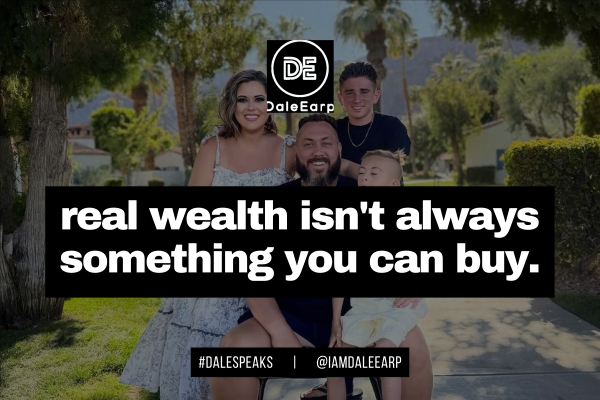
The Most Valuable Things in Life Can't Be Bought
Life isn’t always about what you own. Sometimes it’s about what you’ve earned.
There was a time when I probably would have answered the question, “What are the most valuable things you own?” very differently.
I might have talked about businesses, investments, properties, things I had worked hard to build, or something sitting in the driveway that I was proud of. And there’s nothing wrong with any of those things. I believe in building. I believe in working hard. I believe in creating something from nothing and having something tangible to show for the years you’ve put in. But the older I get, the more I realize that some of the most valuable things in my life have nothing to do with what I can buy. In fact, some of the most expensive things I own aren't things at all.
They are things I had to earn.
A healthy family and good friends.
A strong body.
A calm mind.
And the funny thing about these three things is that you can’t just go to a store and buy them. There’s no credit card, investment account, or business deal that guarantees you’ll have them.
They require something far more valuable.
Time. Attention. Discipline. Presence.
And sometimes, sacrifice.
That's what makes them expensive. We Spend So Much Time Building Wealth That We Forget to Define It. Entrepreneurs are naturally wired to build. We look at something that doesn't exist and think, I can make that happen.
We see a business opportunity. We start a company. We hire people. We create systems. We invest. We take risks. We chase growth. We solve problems. We work late. We wake up early. And if we're not careful, we can become so good at building businesses that we forget to build the life those businesses were supposed to support. That's a dangerous place to end up. Because what's the point of having a successful business if you're too exhausted to enjoy your family?
What's the point of making more money if your health has deteriorated along the way? What's the point of having everything under control financially if your mind is constantly racing?
I've met people who have impressive businesses and miserable lives. I've also met people who don't have everything the world would call impressive, but when you sit down with them, you can feel something different. They're present. They're healthy. They laugh. They have people around them who genuinely care about them. They sleep at night. They aren't constantly trying to prove something. That's wealth too.
Maybe it's the kind of wealth we don't talk about enough. The Most Valuable Thing You Can Own Is Time With the People You Love If you ask me what becomes more valuable as you get older, I would say time. Not money. Time. Because money can be made again. Time can't. You can lose money and recover. You can start another business. You can rebuild an investment portfolio. You can buy another car. You can replace a house.
But you can't go back and get Tuesday afternoon with your kids when they were seven. You can't recreate a conversation with a friend from ten years ago. You can't purchase another dinner with someone you love after you've lost them. That's why family and friendships are among the most expensive things we can ever have. Not because they cost money. Because they require us to show up.
A healthy relationship doesn't happen because you sent a Christmas card once a year. It happens because you call. You listen. You make time. You forgive. You celebrate each other. You sit at the table. You put the phone down. You remember the little things. And sometimes, being successful means knowing when to close the laptop. That's something entrepreneurs don't always like hearing. We're trained to chase the next opportunity.
The next deal.
The next client.
The next level.
But sometimes the next level isn't another business milestone. Sometimes it's being more present at home. That's a different kind of growth. And honestly, I think it's one of the hardest kinds.
Your body is an asset too. Here's another one we don't always think about as wealth: Your health. When you're young, it's easy to assume your body will always cooperate. You can eat whatever you want. Stay up late. Skip the workout. Work twelve hours. Live on coffee. Tell yourself you'll take care of yourself later. Then eventually, “later” shows up. And your body starts sending you invoices. I don't look at a strong body as something that's just about appearance. It's about capacity.
Can you wake up with energy?
Can you travel?
Can you play with your kids?
Can you climb the stairs without feeling destroyed?
Can you think clearly?
Can you handle the demands of your business and still have something left at the end of the day?
Your body is the vehicle you're using to experience everything you've worked so hard to build. Take care of it. Because there's no business strategy that makes up for losing your health. You don't have to become obsessed with fitness. You don't have to spend two hours a day in a gym. But you do have to recognize that your health is part of your wealth. And like any valuable asset, it requires maintenance. Then There's the One Nobody Can See.
The third thing might be the hardest one to earn: A calm mind. Because you can have a beautiful house and still feel restless. You can have money in the bank and still feel anxious. You can have a growing business and still lie awake at three in the morning thinking about everything that could go wrong. A calm mind doesn't mean you don't have problems. Trust me, I've never met an entrepreneur who doesn't have problems. It means you don't allow every problem to become your identity. You learn how to separate what matters from what doesn't. You learn that not every email requires an immediate response.
Not every opportunity is your opportunity. Not every criticism deserves your attention. Not every setback means you've failed. And not every season of life needs to be rushed.
That kind of peace takes experience. It takes perspective. And sometimes it takes learning to say, “This can wait.” That's a powerful sentence for an entrepreneur. Because we're constantly surrounded by things screaming for our attention. Notifications. Emails. Messages. Sales. Social media. News.
New opportunities.
New problems.
New technology.
New competitors.
New expectations.
If you don't decide what deserves your attention, everything will try to take it. And eventually, you realize that protecting your peace isn't laziness. It's leadership. This Is why I believe businesses need to create leverage. This is also where my thinking about business has changed. I don't want to build businesses that require me to personally touch every single thing forever. I want to build businesses that have leverage.
Systems. People. Processes. Technology. Automation.
Tools that remove unnecessary friction and allow the business to continue moving without everything landing on one person's shoulders. That's one of the reasons we built EARPware. It brings together tools for CRM, marketing, automation, AI, websites, SEO, email, advertising, and other growth functions so businesses don't have to keep piecing everything together across disconnected platforms.
Take AI Infinity, for example. It's designed to handle repetitive business activity, respond to leads, nurture prospects, trigger workflows, and keep processes moving around the clock. And that's where I think technology gets really interesting. I'm not interested in technology just because it's impressive. I'm interested in what it gives back.
If technology saves you three hours, what are you going to do with those three hours?
That's the real question. Maybe you use them to generate more revenue. Maybe you spend them with your family. Maybe you work out. Maybe you sit outside with a cup of coffee and actually think. Maybe you finally take the weekend off without feeling like your entire business is going to collapse.
That's leverage. And that's the kind of growth I care about. Because the goal shouldn't be to build a business that owns you. The goal should be to build something that gives you more capacity to live. I've seen people become incredibly successful financially while becoming incredibly poor everywhere else. Poor in relationships. Poor in health. Poor in time. Poor in peace. And because the bank account keeps growing, everyone assumes they're winning. But success isn't a single number. It's a portfolio.
Your financial wealth is one part of it. Your relationships are another. Your health is another. Your mental and emotional capacity is another. Your time is another. Your purpose is another. And if one area is growing while every other area is collapsing, I'm not sure that's success. Maybe that's just imbalance with a good-looking scoreboard. That's why I think we need to stop asking only, “How much have I built?”
We should also ask: “What did building it cost me?”, Did I miss every family dinner?, Did I stop taking care of myself?, Did I become someone my friends couldn't reach?, Did I lose my peace? , Did I become so obsessed with the next milestone that I stopped appreciating the current one? Those questions matter. Because one day, you may reach the number you were chasing and realize you don't have the life you thought you were buying.
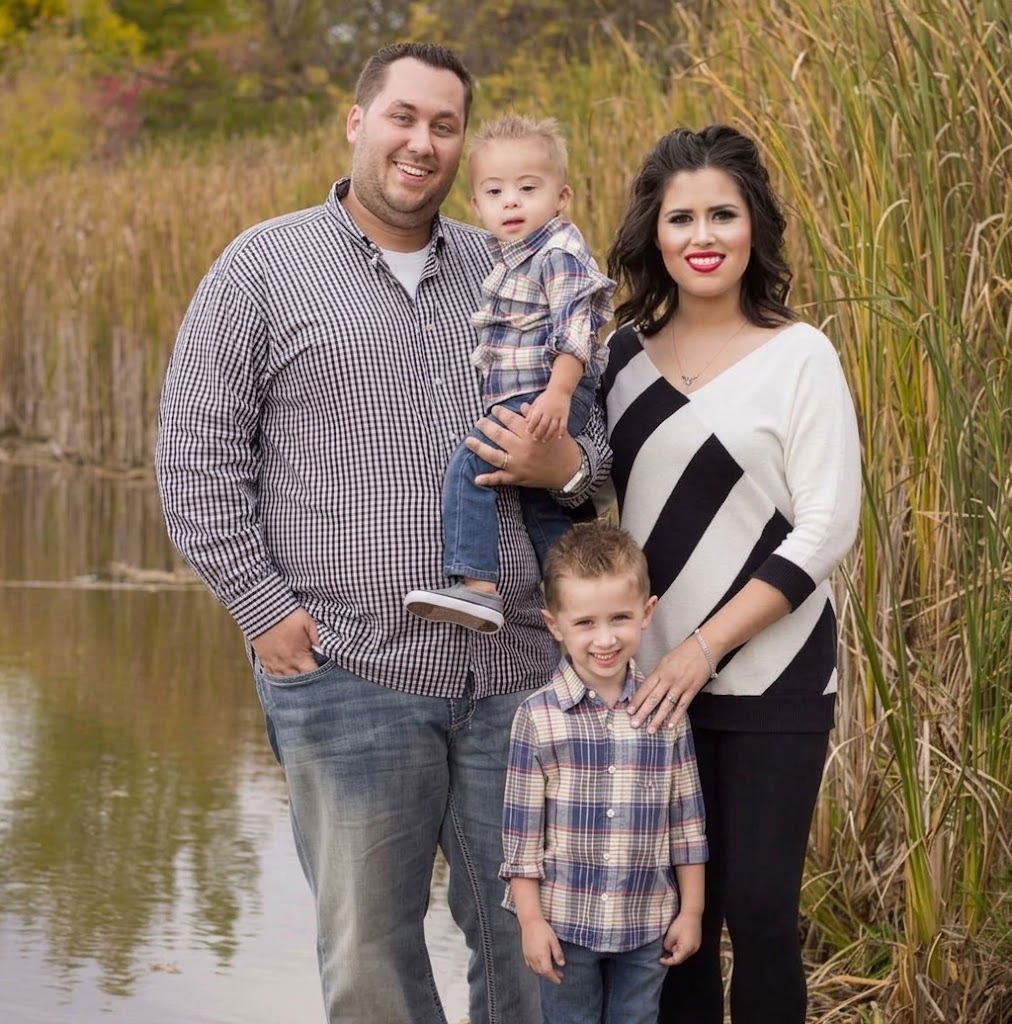
There's a reason I keep coming back to family, health, and peace. They're easy to take for granted because they don't always announce their value while you have them. Nobody wakes up and says, “I'm grateful that my family is healthy today because this is an incredibly valuable asset.”
We just live it. We assume tomorrow will look like today. Until it doesn't. That's why I've learned to look at these things differently. My family isn't something I have after the work is done. They're part of why I work.
My health isn't something I'll worry about once the business reaches another level. It's what allows me to enjoy the levels I've already reached. And peace isn't something I want to find after I've solved every problem. Twill always be another problem. Peace has to exist in the middle of the building.
That's the real challenge. So What Have You Actually Earned? Here's the question I've been thinking about. If you took away the house, the car, the business, the bank account, the titles, the followers, the recognition, and everything else that can be measured...
What would you still have?
Life isn't always about what you own. It's about what you've earned that money can't replace.
Life isn't always about what you own. It's about what you've earned that money can't replace. For me, that means a healthy family, good friends, the ability to take care of my body, and enough peace of mind to appreciate the life I'm living while I'm still building it.
Those things didn't happen by accident. They took time, attention, discipline, and plenty of choices along the way. And I'm still working on all of them. I'm still building businesses. I'm still learning. I'm still looking for ways to make things better and create more leverage. But I'm also trying to remember why any of it matters. Because the goal isn't simply to accumulate more. It's to create a life that you're actually grateful to have.
Build the business, absolutely. Chase the opportunities. Create something you're proud of. But don't lose sight of the people, health, time, and peace that make all of it worth having.
Because when everything else is stripped away, those may turn out to be the most valuable things you ever earned.
Legacy doesn't build itself.
Want to Go Deeper? If this challenged the way you think about progress, don't stop here.


